The Mandate: Digitizing Essential Workflows at Scale.
As part of the Digitized Workflow initiative, our objectives are to empower customers to manage the access to their accounts and reduce the burden of traditional paper driven workflows.
The Outcome:
A streamlined, digital-first Account Access solution that reduced all-paper Power of Attorney submissions by over 70%, successfully processing over 215,000 digital role additions in Year 1.
Role
Year
Deliverables
- UX Architecture & Design
- Service Design Modeling
- Task Flows
- Wireframes
- UX Research & Synthesis
- Stakeholder interviews
- Heuristic Audits
- Product & Design Requirements
- Workshops
- Unmoderated Testing
- Cross-Functional Workshops
- Lexicon Studies
- Product Requirements
- Final Implementation Specs
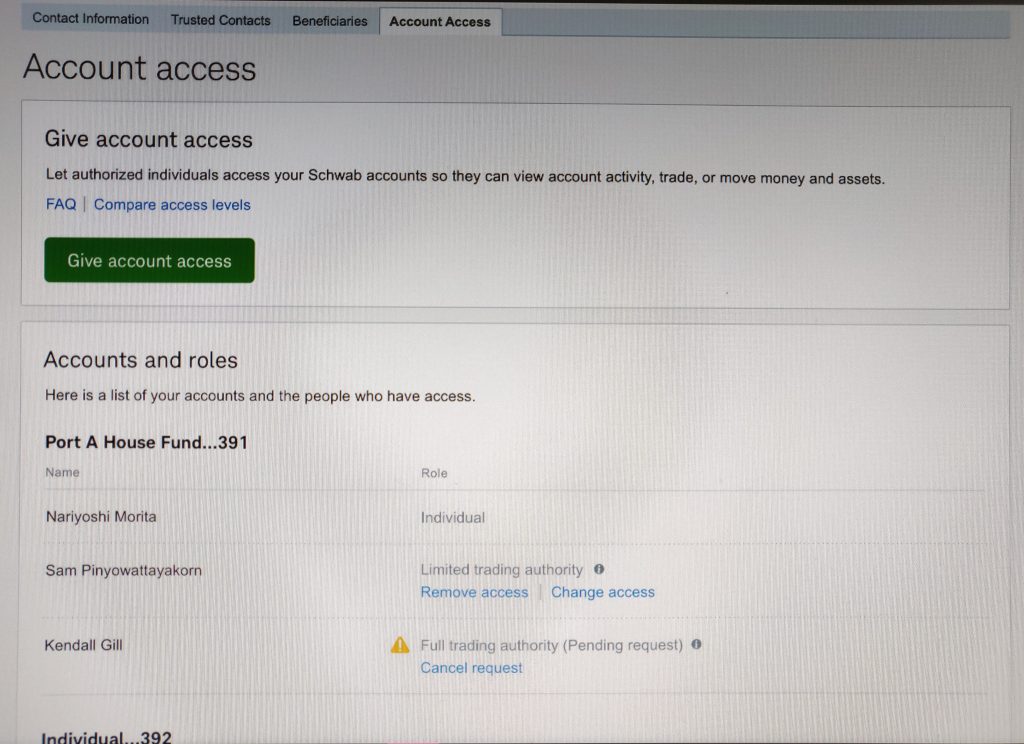
Strategic Objectives: From Paper Friction to Digital Efficiency
The Legacy Problem:
Traditional methods of capturing client data via paper forms naturally invite errors, processing delays, and diminished customer satisfaction. For Schwab consultants, it meant constant re-work; for clients, it meant waiting.
The Objective:
Transition the input, capture, processing, and maintenance of Power of Attorney workflows into a fully digitized, scalable solution.
Orchestrating the Alignment (The 26 Phases):
Between Q4 2020 and Q1 2022, I led, collaborated on, and co-sponsored 26 distinct phases of user research and customer experience strategy.
Not just about updating a form, it was about aligning stakeholders across the business to deliver a modern, digital-first foundation for Schwab customers.
Dual-Perspective Inquiry: Internal Operations vs. Customer Needs
Internal Stakeholders & Investment Consultants (ICs):
Operations partners faced constant re-work, manual signature verification, and compliance bottlenecks caused by incomplete or illegible paper submissions.
Account Holders & Authorized Agents:
Customers struggled with legalistic terminology, lack of submission transparency, and the high cognitive load of selecting the proper authorization levels.
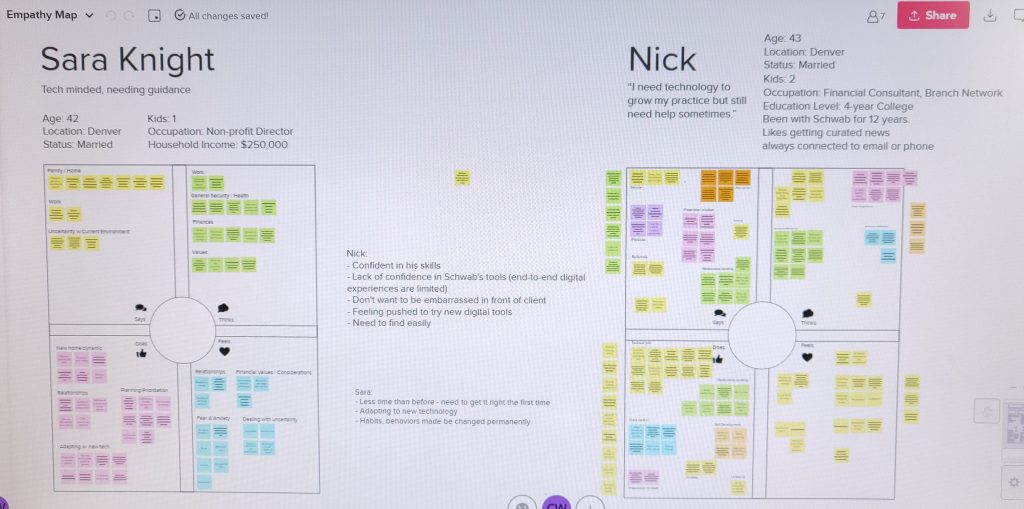
Empathy Mapping & Operational Alignment
Synthesizing qualitative observations from Investment Consultants and customer interviews, we led remote empathy mapping workshops.
Visualizing both user archetypes grounded the cross-functional team in the lived experience of our users. This highlighted operational delays and the confusion and hesitation clients experienced during life-event transitions that require POA delegation.
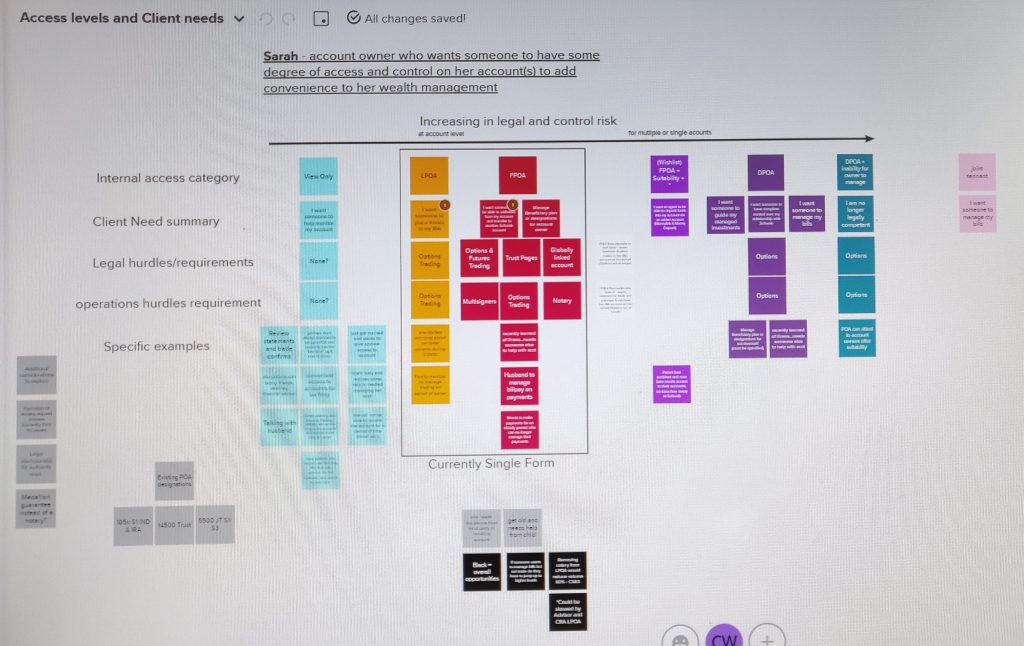
Needs Analysis: Deconstructing Power of Attorney Permission Levels
Analysis revealed that account administration friction stemmed from mismatched permission models. Customer needs vary between full fiduciary control and simple view-only monitoring.
Defining clear Jobs-to-be-Done (JTBD) across permission tiers allowed us to isolate specific authorization workflows, establishing the architectural foundation needed to simplify complex legal access into intuitive digital steps.
Journey Mapping: Operations and the Account Holder
We mapped the legacy experience using direct interview and survey input. This highlighted the specific failure points where traditional paper workflows broke down for Financial Consultant partners.
By overlaying the data push and pull requests onto the Account Holder journey, we illustrated the excessive manual steps invoked for routine tasks. This clearly demonstrated how the high volume of monthly paper forms drained resources and inflated operational overhead.
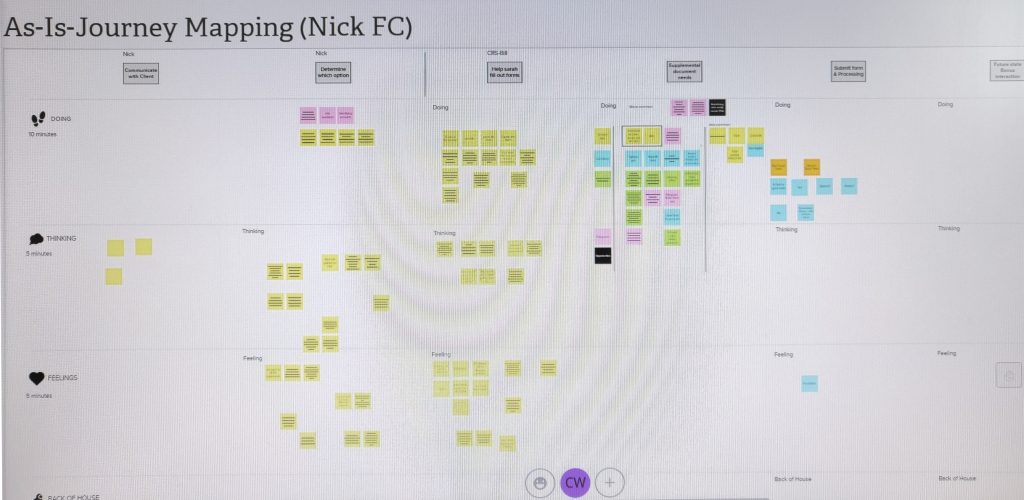
Journey Mapping: Account Holder
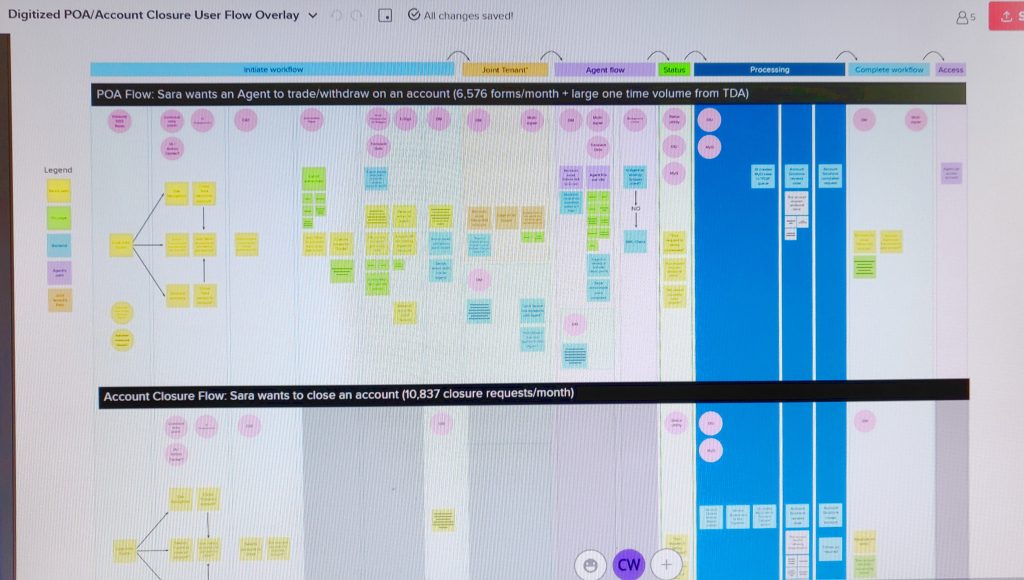
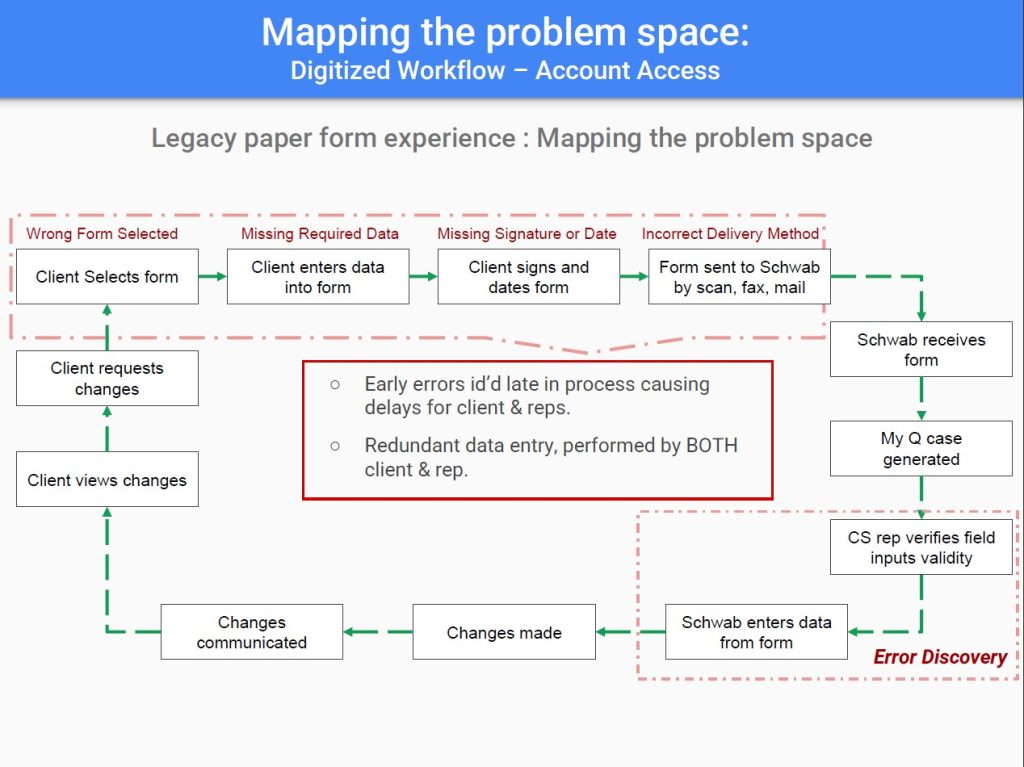
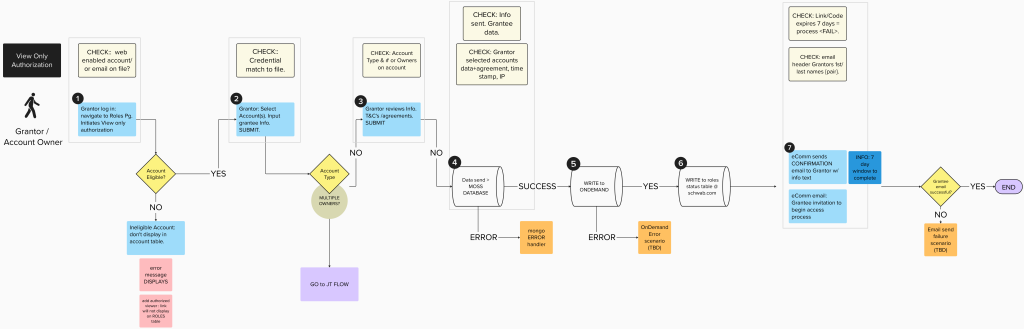
These illustrate a unified vision of exactly where, when, and how user interactions manipulated data processes. Establishing this baseline allowed the cross-functional team to align on the technical and experiential boundaries for the new digital service.
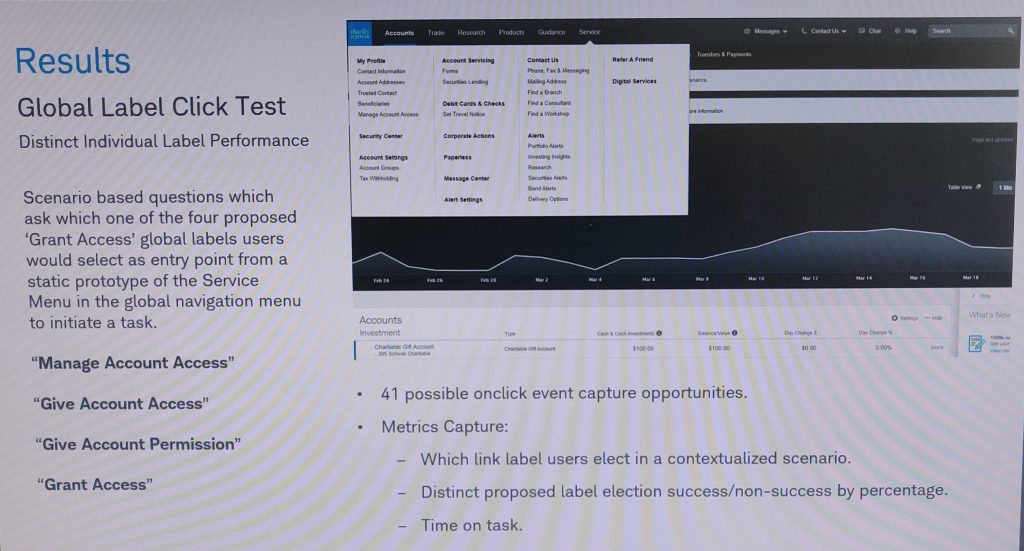
Unmoderated Lexicon & Discoverability Testing
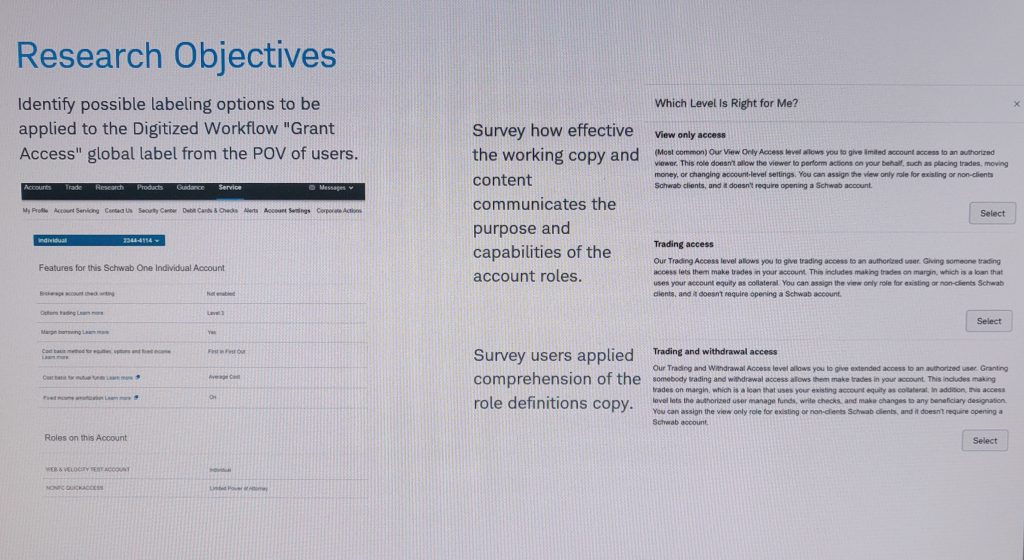
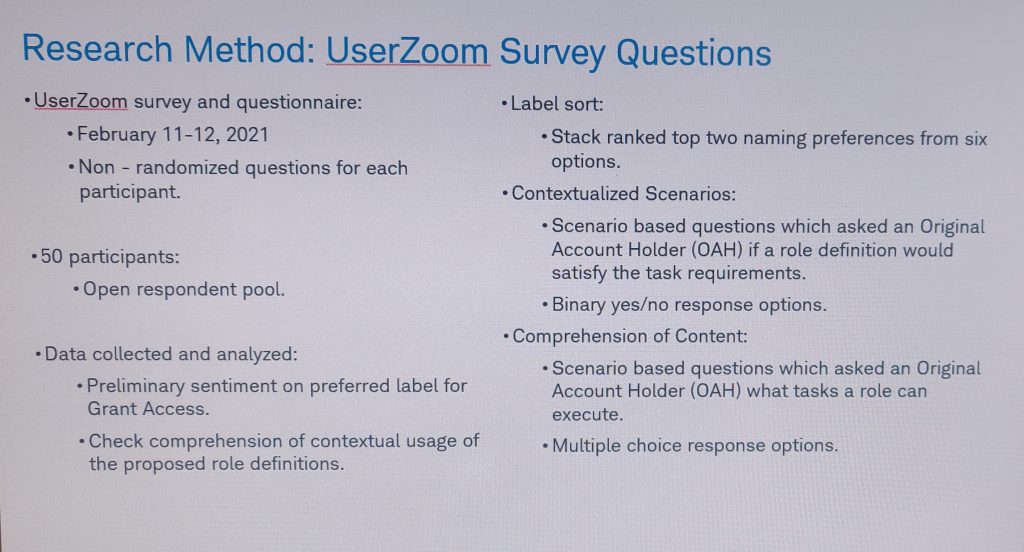
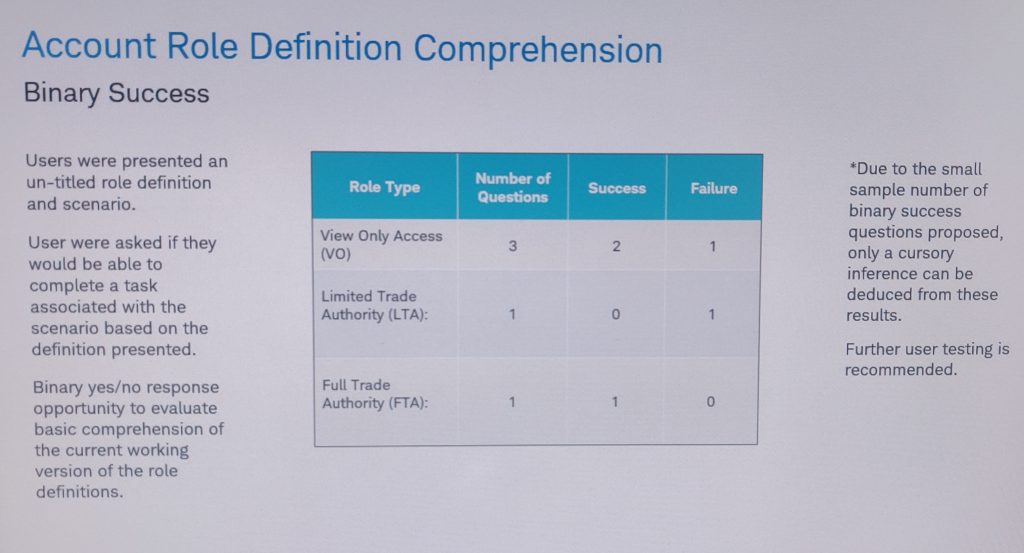
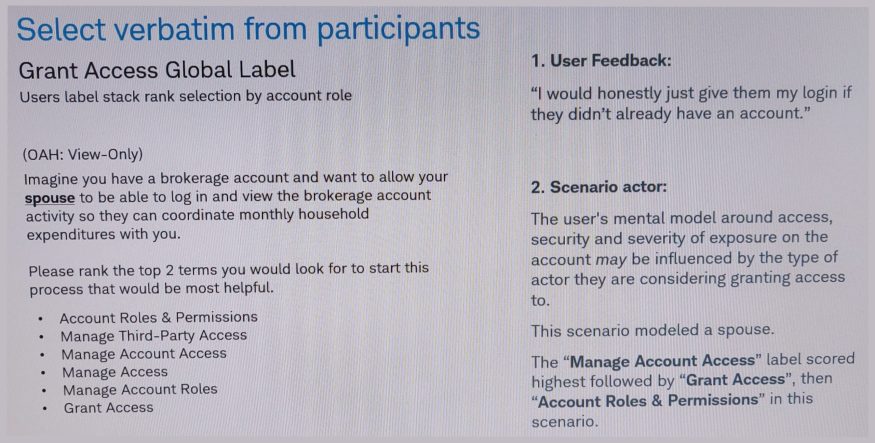
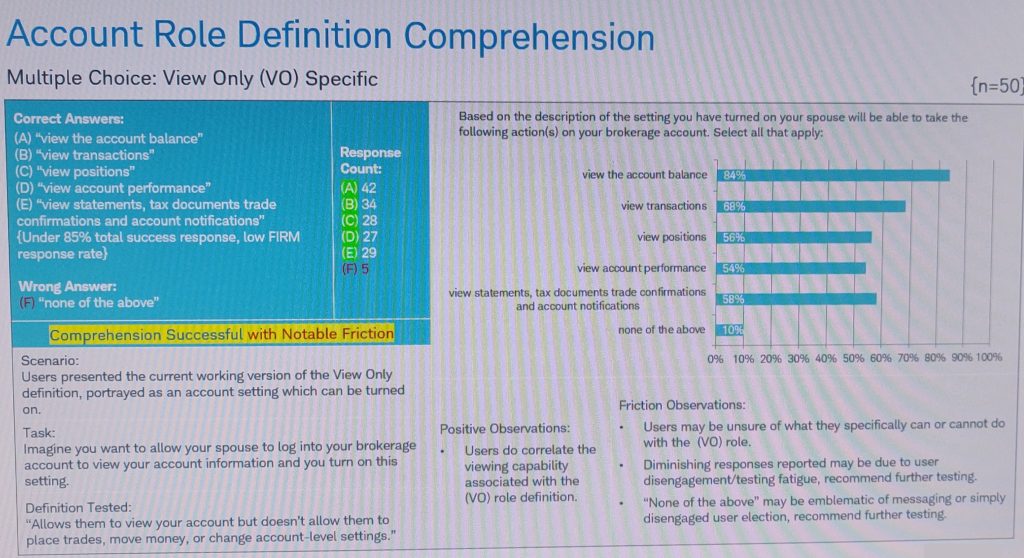
I authored and executed a series of unmoderated taxonomy and information architecture studies.
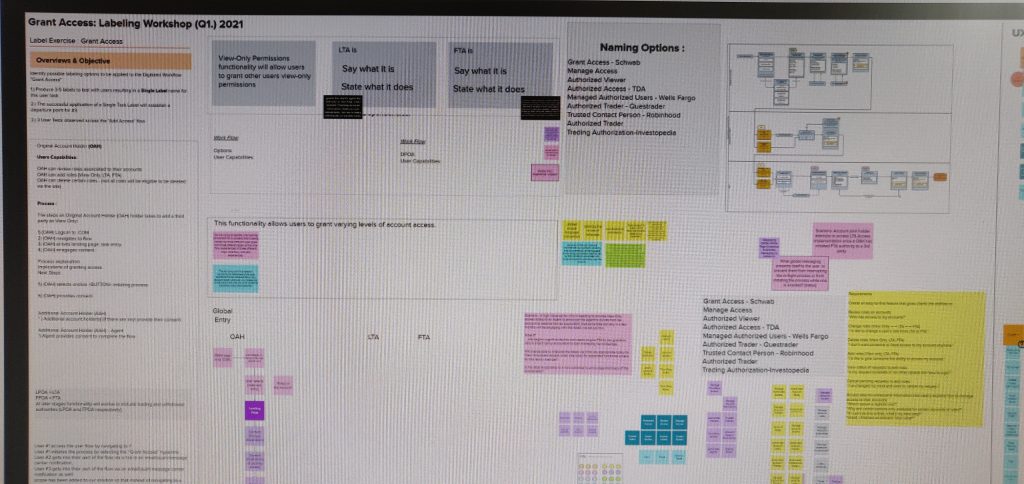
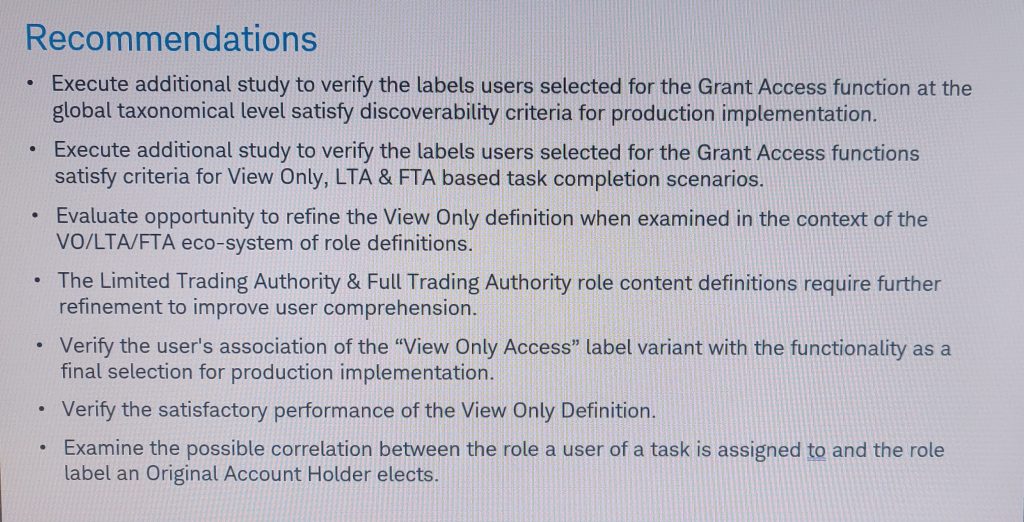
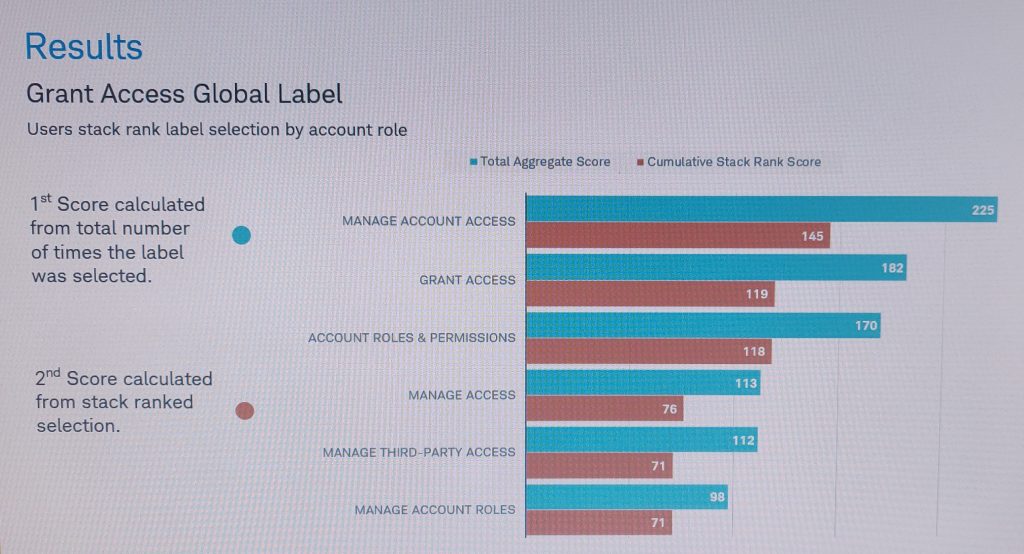
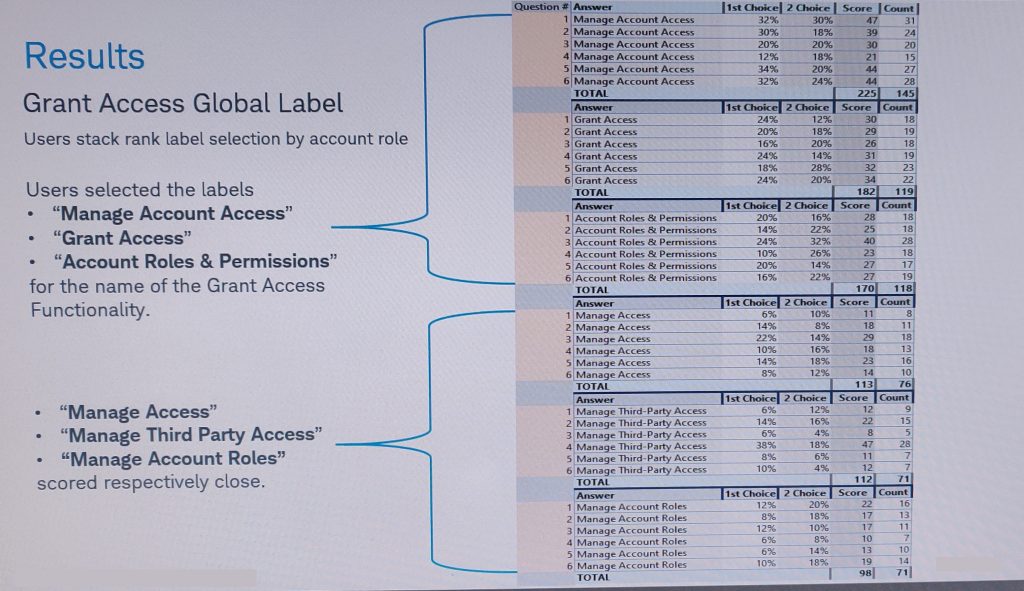
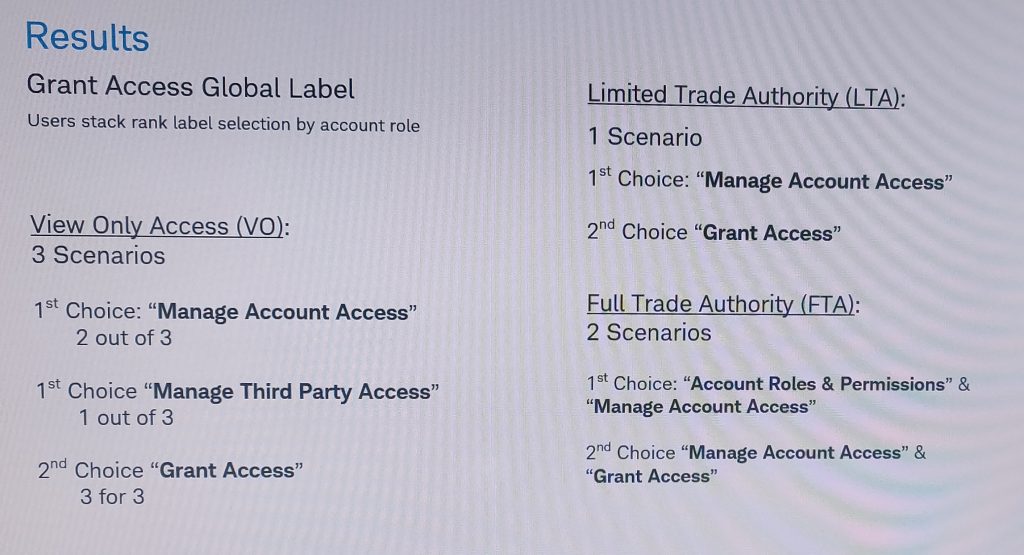
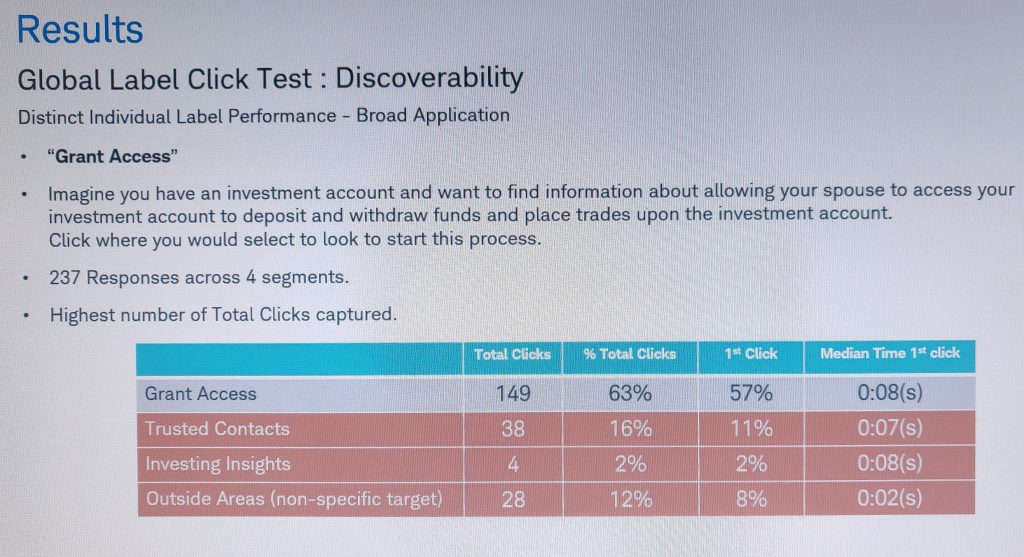
We needed empirical data to test proposed content solutions and determine exactly where users expected to find the task entry point. This allowed us to measure how different cohorts interpreted specific authorization labels.
Key Insights: Navigating the Legal Lexicon
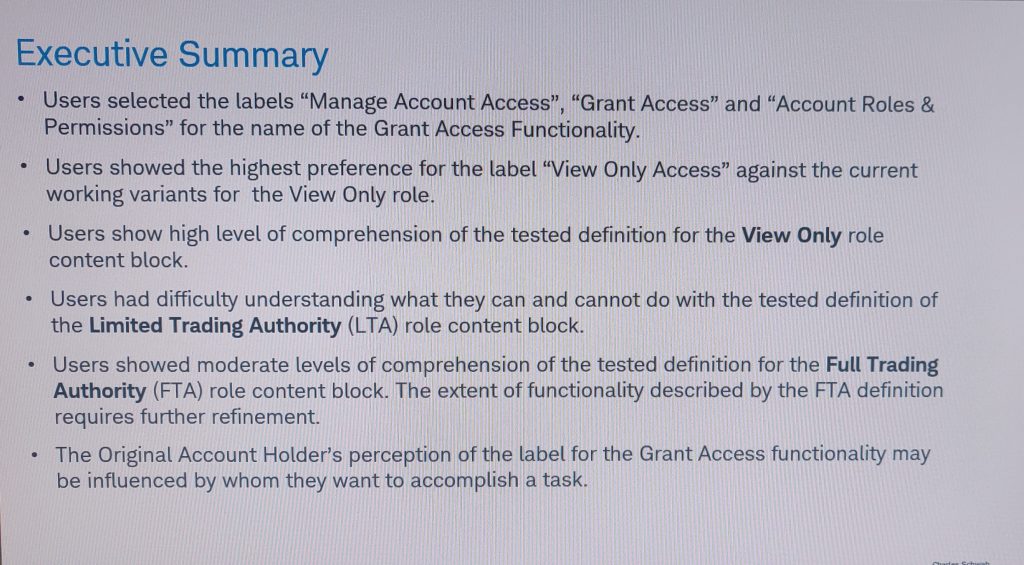
The research yielded a critical behavioral insight.
We learned that highly specialized legal lingo created immediate anxiety for users. Account holders felt uneasy navigating this unfamiliar knowledge domain and became easily confused by traditional authorization terminology.
By testing multiple variations, the data proved that the simpler, action-oriented label “Grant Access” significantly outperformed the alternatives. This empirical evidence allowed us to confidently adopt the new labeling convention into the final production design.
Multi-Platform Usability & Systems Testing
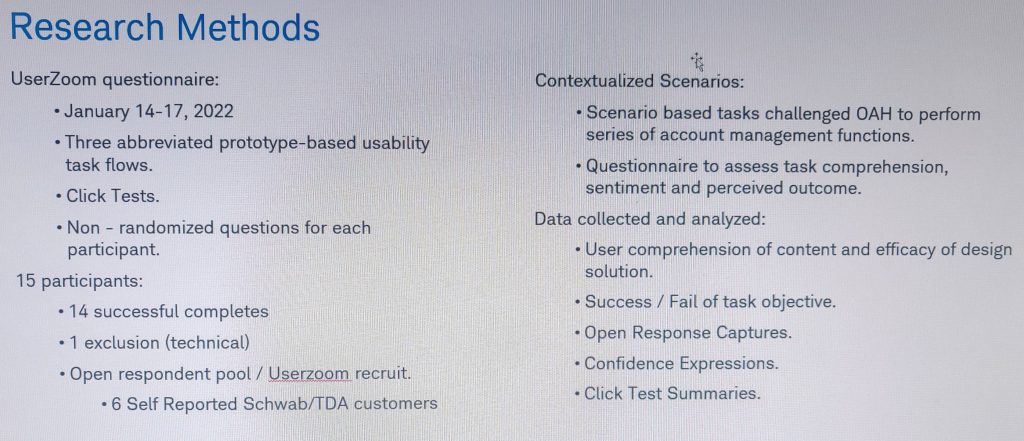
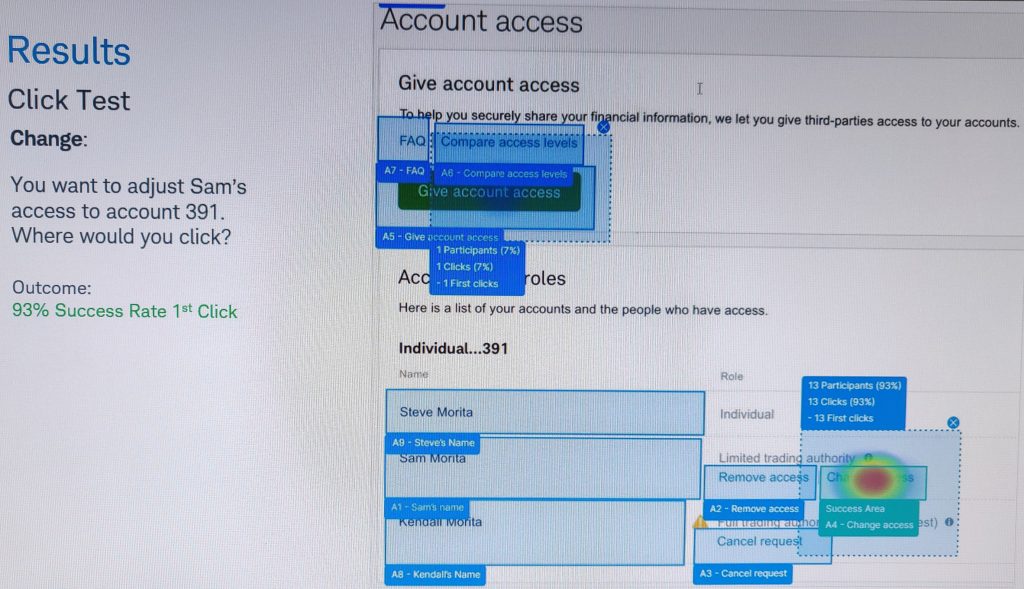
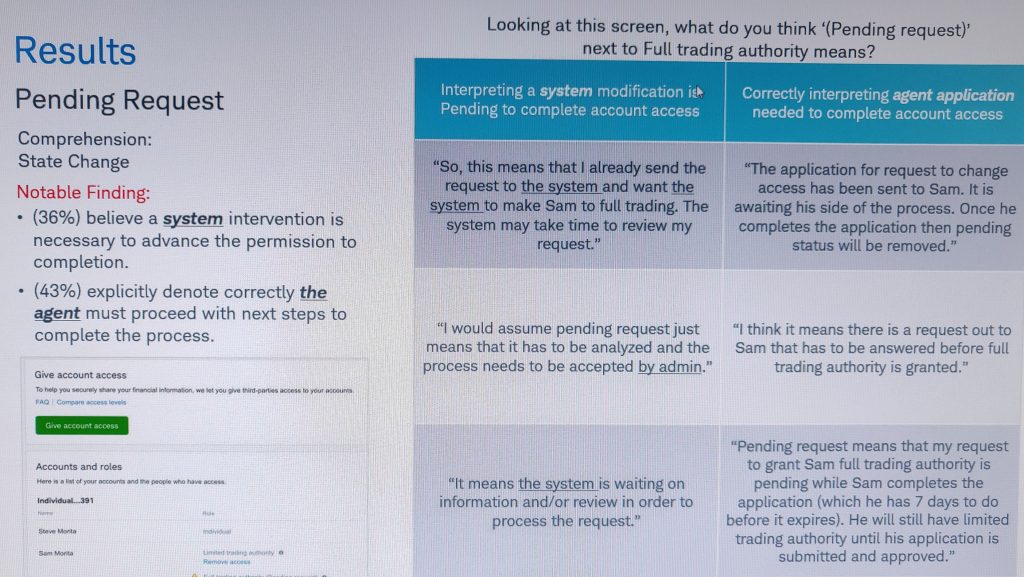
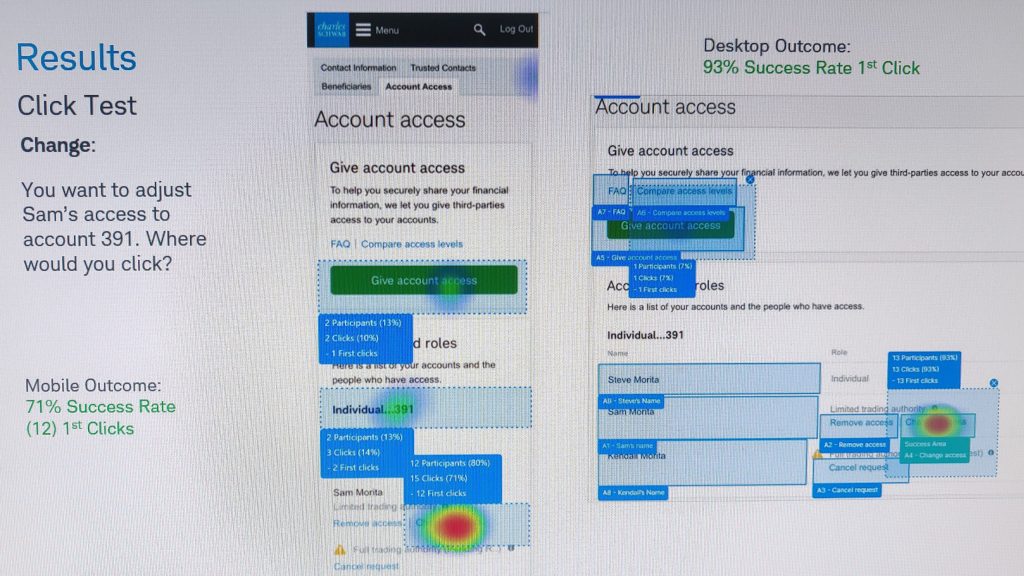
With the taxonomical placement established, I authored and executed a final series of validation studies. We tested the experience across both desktop and mobile environments.
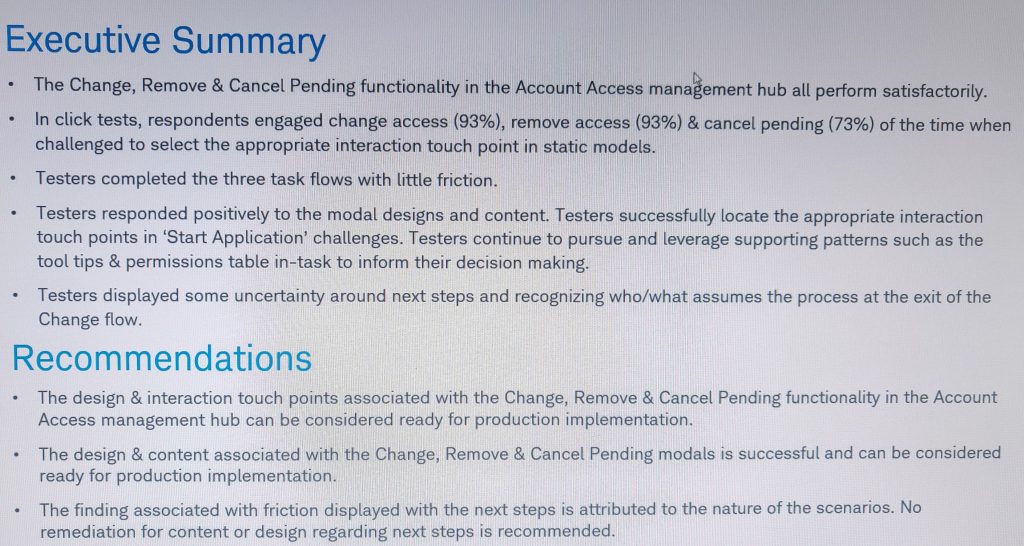
The team utilized a mix of qualitative and quantitative methodologies to measure success.
We tracked task completion rates, touch-point effectiveness, and System Usability Scale (SUS) scores. Presenting these findings to leadership proved that the new design patterns successfully eliminated friction for the user.
Mobile
Retrospective: Delivering Empathetic Scale
The digital Account Access solution launched with immediate and measurable business impact. Within the first year, we realized a 70% reduction in paper-based Power of Attorney submissions.
By empowering customers to self-serve through a modernized digital experience, over 215,000 users successfully added roles to their accounts. Governing the space between user research, product logic, and experience architecture is what made this scale possible.
